


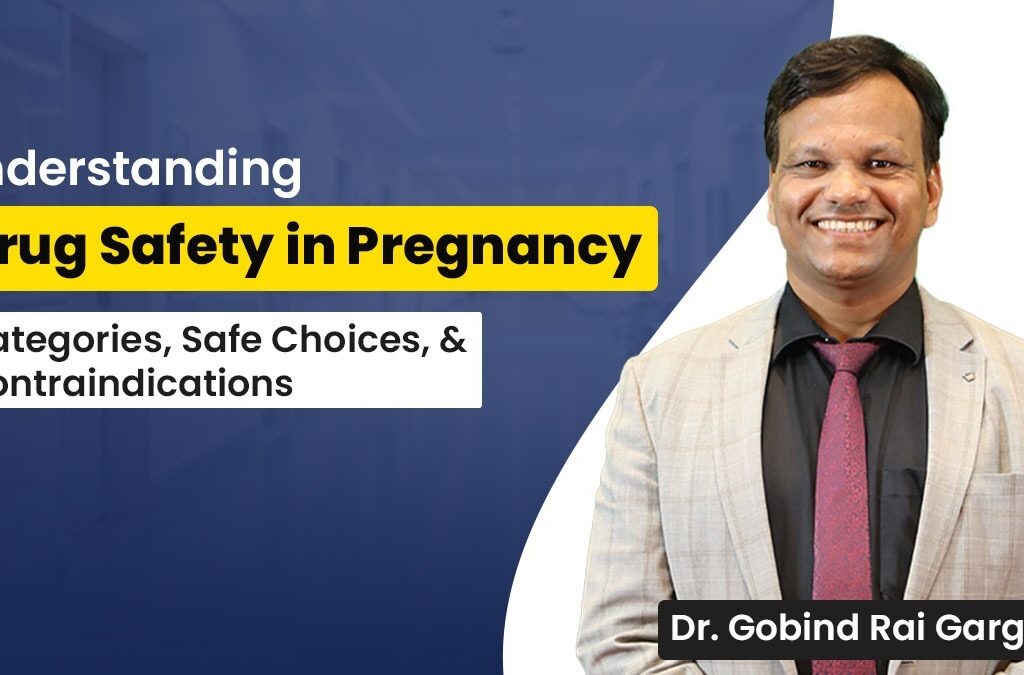
Prescribing medications during pregnancy is tricky business. Some drugs are perfectly safe, some need caution, and others? They’re strictly off-limits because they can seriously harm the developing baby. If you’re studying medicine or working in healthcare, getting this right is non-negotiable.
Let me break this down in a way that actually makes sense.
For a clearer and more detailed discussion, you can watch the official video here:
Pregnancy Drug Categories: A to X
Medications get sorted into five categories A, B, C, D, and X that are based on how safe they are during pregnancy.
Here’s the simple version:
- Category A – The safest options
- Category B & C – Use with increasing caution
- Category D – Risky, but sometimes the benefits outweigh those risks
- Category X – Never, ever use during pregnancy
As you move from A toward X, the danger to the fetus goes up.
Category X: The Absolute No-Go Zone
Category X drugs are banned during pregnancy. The risks are just too high, no matter what potential benefit they might offer.
Thalidomide is the classic example here. It’s severely teratogenic and can cause phocomelia a devastating birth defect where limbs don’t develop properly.
Quick Clarification: Category X vs Schedule X
People mix these up all the time, but they’re completely different things:
- Category X = pregnancy risk classification
- Schedule X = legal drug control (think narcotics and restricted substances like ketamine)
So Thalidomide is Category X for pregnancy risk, not Schedule X.
Safe and Unsafe Drugs for Common Pregnancy Conditions
Let’s go through the situations you’ll actually encounter clinically.
1. Hypertension in Pregnancy
Managing high blood pressure during pregnancy is critical for keeping both mom and baby safe.
Safe Options (Go-To Drugs)
- Labetalol – your first choice
- Methyldopa – proven safe over many years
- Calcium channel blockers like Amlodipine and Nifedipine
Never Use
- ACE inhibitors (those drugs ending in -pril)
- ARBs (drugs ending in -sartan)
Examples: Enalapril, Losartan
Why avoid them? They damage fetal kidneys and cause other serious problems.
2. Hyperthyroidism in Pregnancy
Thyroid issues need different approaches depending on which trimester you’re in.
Safe (Especially First Trimester)
- Propylthiouracil – this is your first-trimester drug of choice
Avoid
- Carbimazole
- Methimazole
These can cause aplasia cutis basically patches of skin that just don’t form, usually on the scalp.
3. Epilepsy in Pregnancy
You need to control seizures, but some anti-seizure meds are dangerous during pregnancy.
Safer Choices
- Lamotrigine
- Levetiracetam
These are your relatively safe bets.
Highly Dangerous
- Valproate
This is one of the worst offenders. It causes neural tube defects and other serious birth defects. Stay far away from it during pregnancy.
4. Bipolar Disorder in Pregnancy
Mental health matters, but you’ve got to balance treatment with fetal safety.
Safer Option
- Olanzapine – antipsychotics like this are generally your better choice
Avoid
- Valproate (yes, it shows up again, it’s that bad)
- Lithium
Lithium is linked to Ebstein’s anomaly, a heart defect affecting the tricuspid valve.
5. Antibiotics in Pregnancy
Here’s an easy way to remember the safe ones: PCM
- P = Penicillins
- C = Cephalosporins
- M = Macrolides
Safe Antibiotics
These three groups are called Penicillins, Cephalosporins, and Macrolides that are widely used and generally safe.
Never Use
Tetracycline
- Stains teeth and messes with bone growth
- Remember: T for Tetracycline, T for Teeth
Fluoroquinolones (like Ciprofloxacin)
- Damages cartilage and tendons
Aminoglycosides (like Gentamicin)
- Causes hearing loss (ototoxicity)
- Remember: A for Aminoglycoside, A for Auditory damage
Bottom Line
Prescribing drugs during pregnancy requires you to think carefully and choose wisely. Some medications Thalidomide, Valproate are absolutely forbidden because of serious fetal risks. But plenty of others work just fine when you pick the right ones.
Understanding these distinctions isn’t just important for exams. It’s about protecting both the mother’s health and the baby’s development. Get this knowledge down solid—you’ll need it.